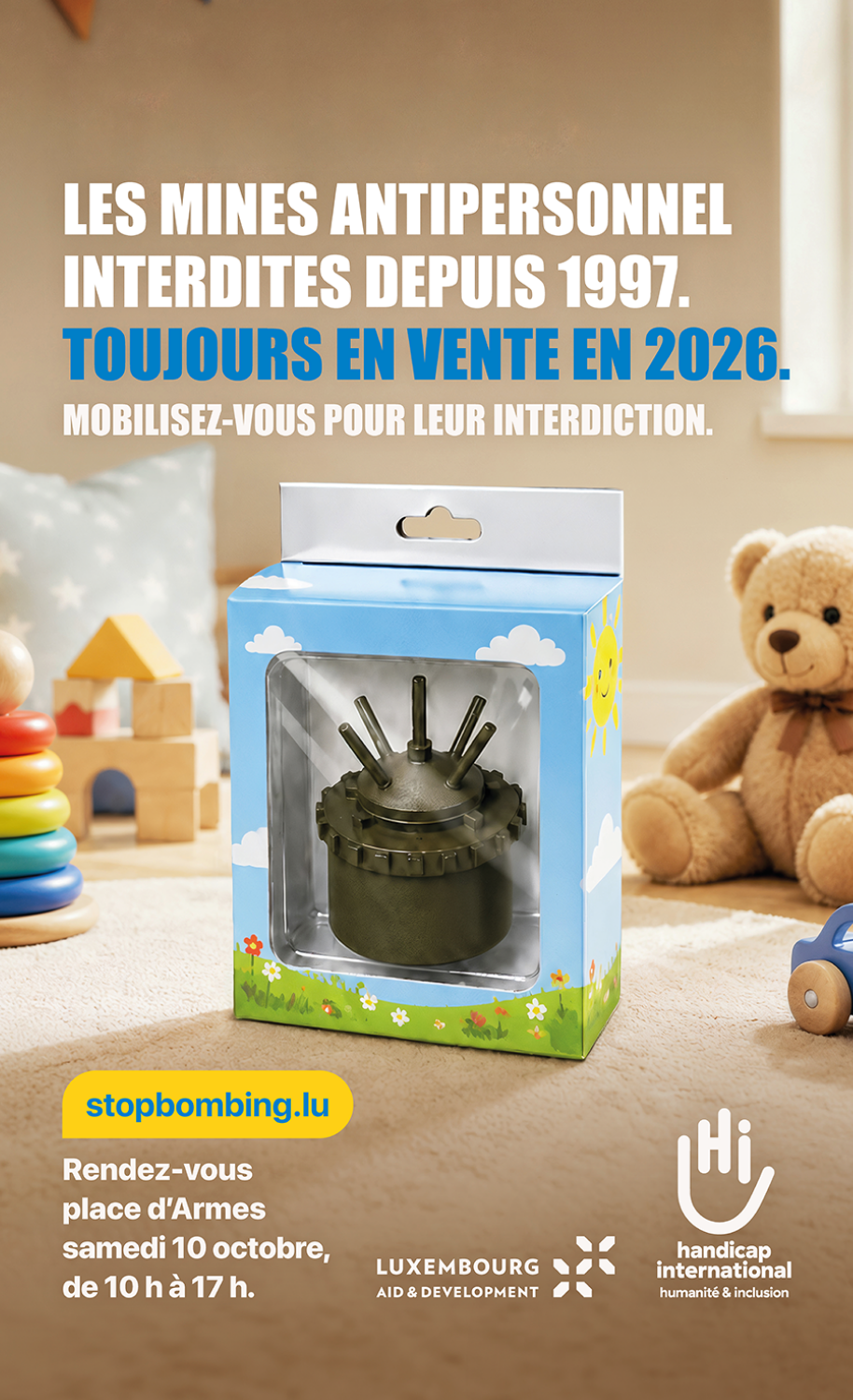
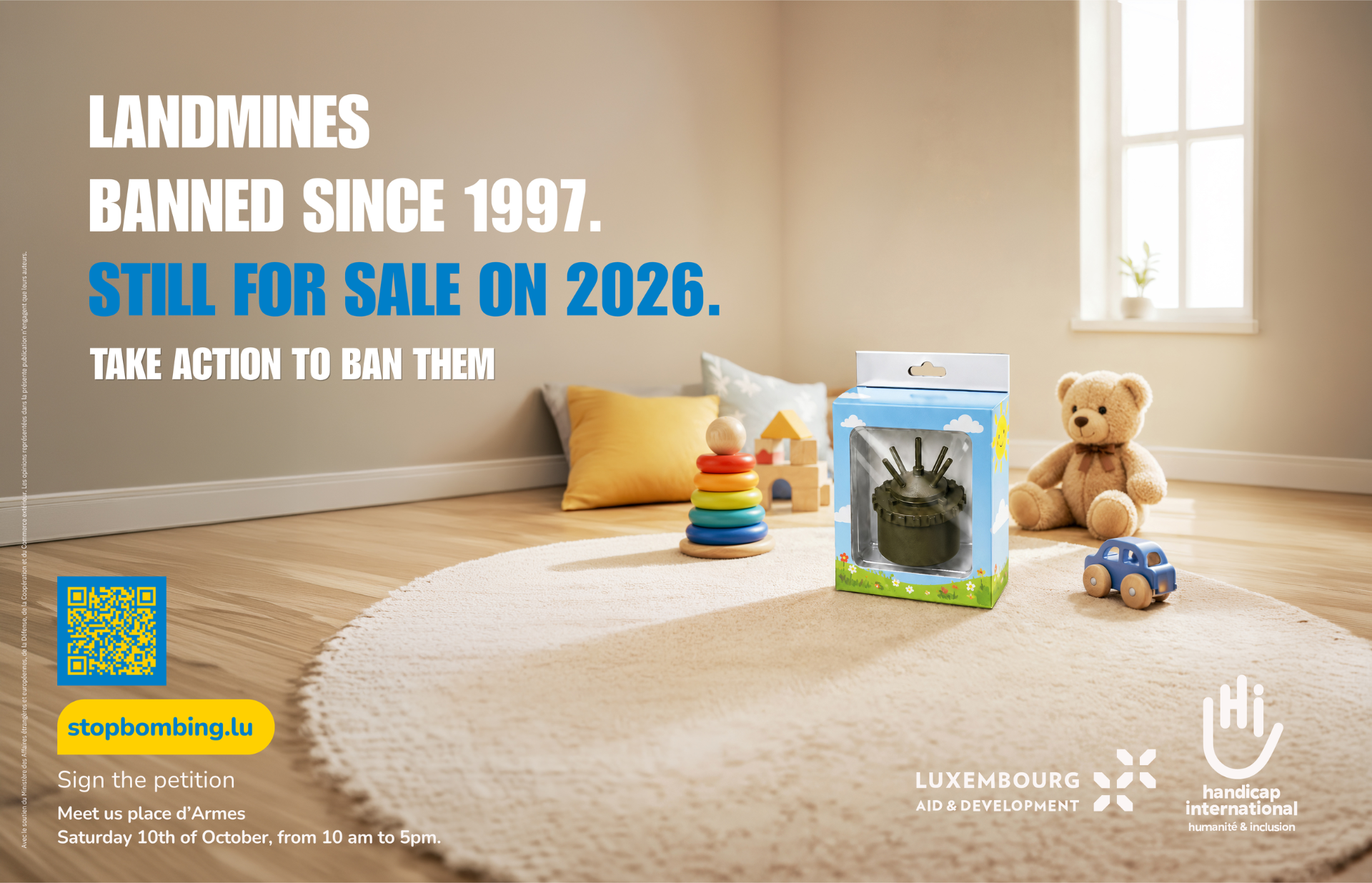
In 1992, Handicap International and five other NGOs launched the International Campaign to Ban Landmines (ICBL). Five years later, that campaign resulted in the signature of the Ottawa Treaty by 122 states, banning the use, production, stockpiling and transfer of antipersonnel landmines. This was the first international treaty totally banning a conventional weapon, and it constituted a historic victory for disarmament and the protection of civilians. Today, 161 states have signed the Convention on the Prohibition of Antipersonnel Mines (to give it its full name) – 83% of all the countries in the world.
However, nearly 30 years after its adoption, this international legal instrument is being called into question and undermined. Since 2025, several states have stepped back from the treaty, announcing their withdrawal from it. Poland and Finland, which used to produce landmines, have announced their intention of resuming production, something that has not happened in Europe in nearly 50 years. Estonia, Latvia and Lithuania have likewise stated their intention of acquiring fresh stocks of antipersonnel landmines.
These states’ changes of diplomatic course bear witness to a desire for remilitarisation in Europe, fed by states’ increased anxiety about their security, a direct consequence of the conflict in Ukraine. Nearly a quarter of Ukraine’s territory is contaminated with mines and explosive remnants of war, which constitutes the most widespread use of antipersonnel landmines in Europe in decades.
These withdrawals from the treaty come at a time when the number of victims of antipersonnel landmines is already on the rise worldwide. This rise is due to two main problems: the intensification of armed conflicts, particularly in Ukraine and Myanmar, and the upturn in the number of landmine victims in Syria following the fall of the Assad regime and the return home of many families. Many accidents are happening in that context due to unfamiliarity with the risks associated with landmines.
© H. Laurenge / Handicap International
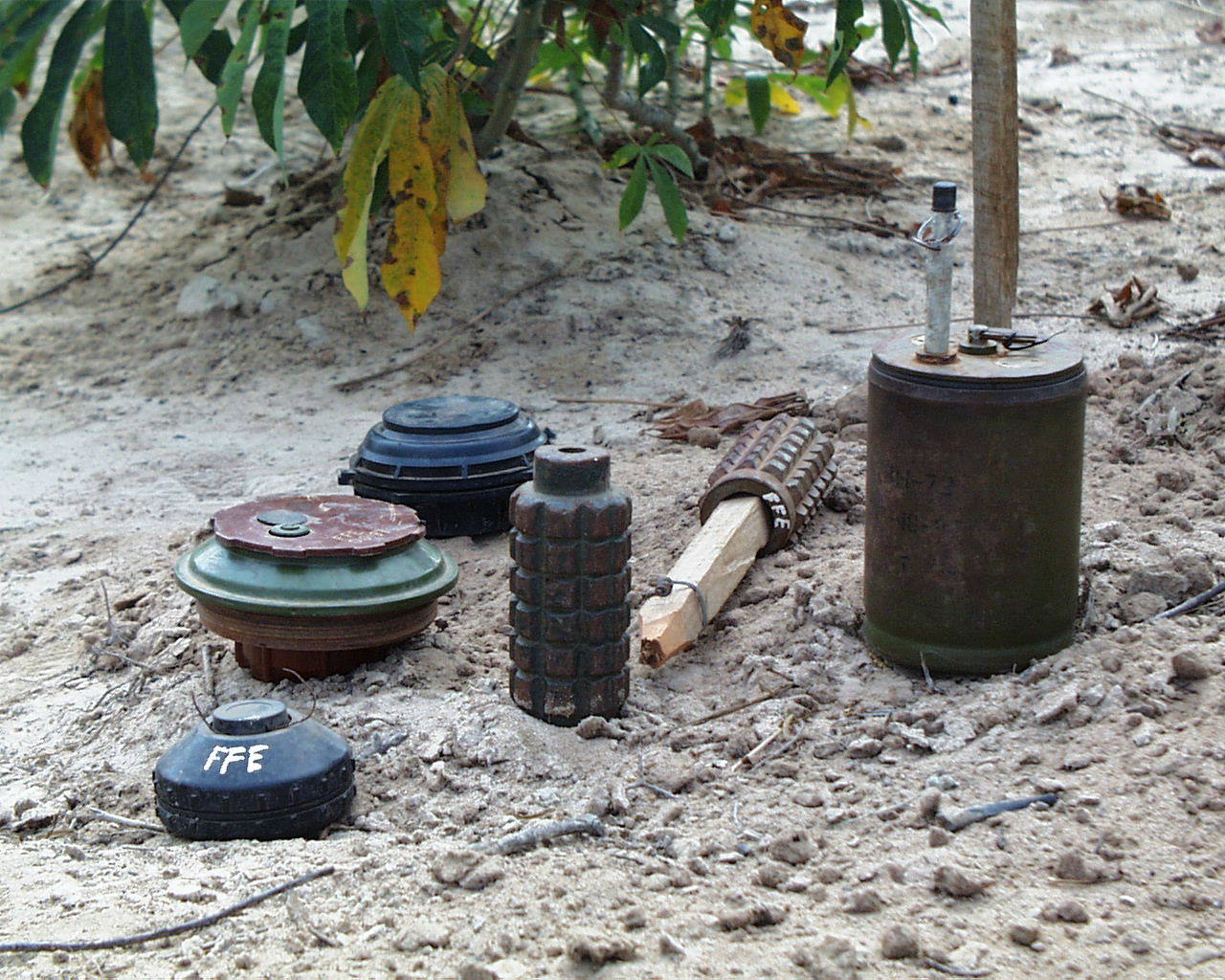
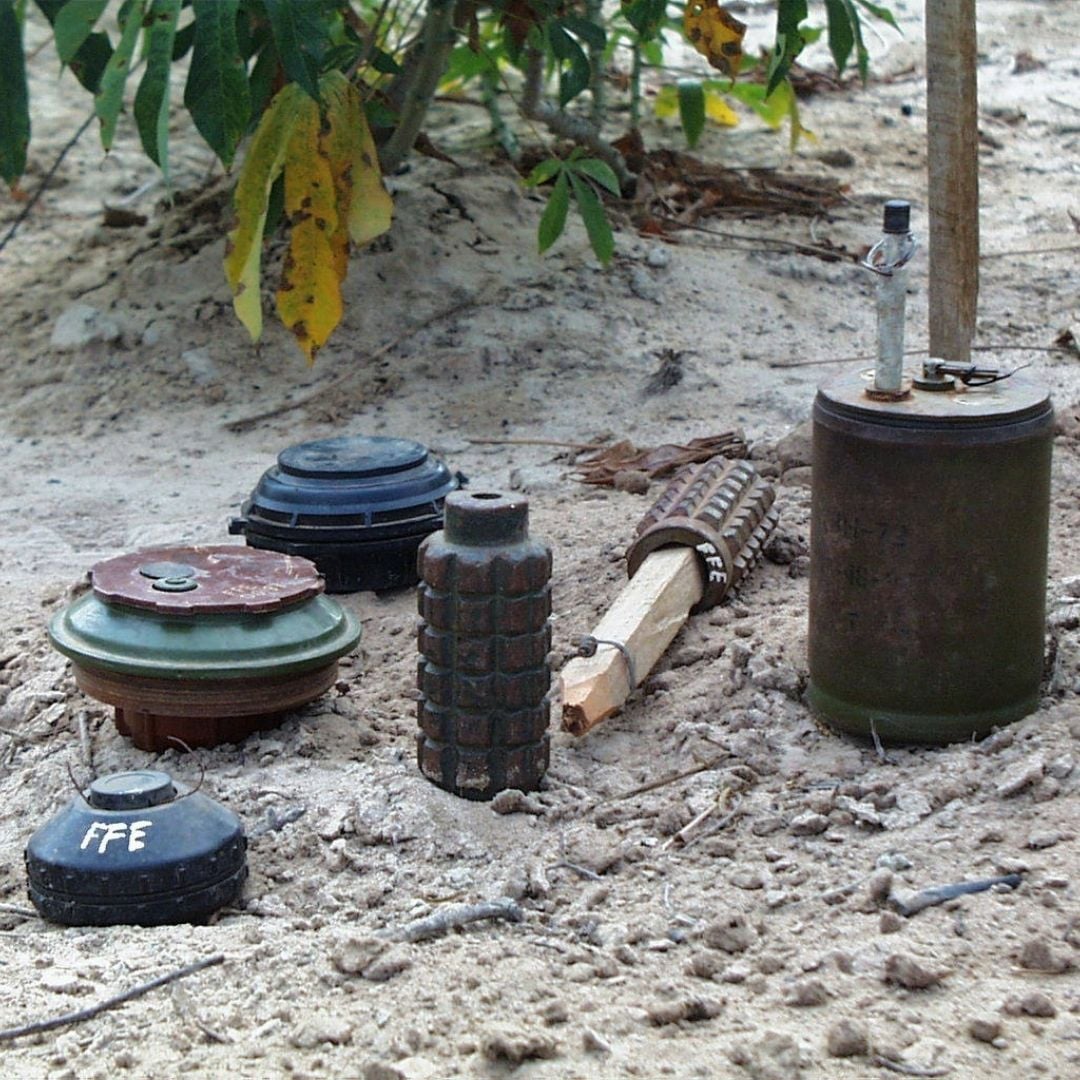
An antipersonnel landmine is an explosive charge hidden in the ground, designed to explode when a person comes into contact with it. It is intended to injure or kill. It explodes under pressure from a foot or when a trip wire has been placed and is triggered. Dozens of different models exist. This category of weapon is different from an improvised explosive device (IED), which is often handmade and whose form and method of triggering are particularly unpredictable.
Its initial military purpose is to injure or mutilate rather than to kill, so as to saturate the health services and sap the enemy’s morale.
The indiscriminate character of antipersonnel landmines makes them a particularly appalling weapon: they do not distinguish between military personnel and civilians, between adults and children. Moreover, so long as they have not been set off by an individual, they may remain active for decades after a conflict is over.
When they do not kill, these weapons cause extremely serious injury to victims (amputations, burns, blindness, internal injuries) but also profound psychological trauma to victims and their families.
The suffering caused by antipersonnel landmines also goes beyond physical injury and individual trauma. Even after a conflict, these weapons affect whole communities long-term:
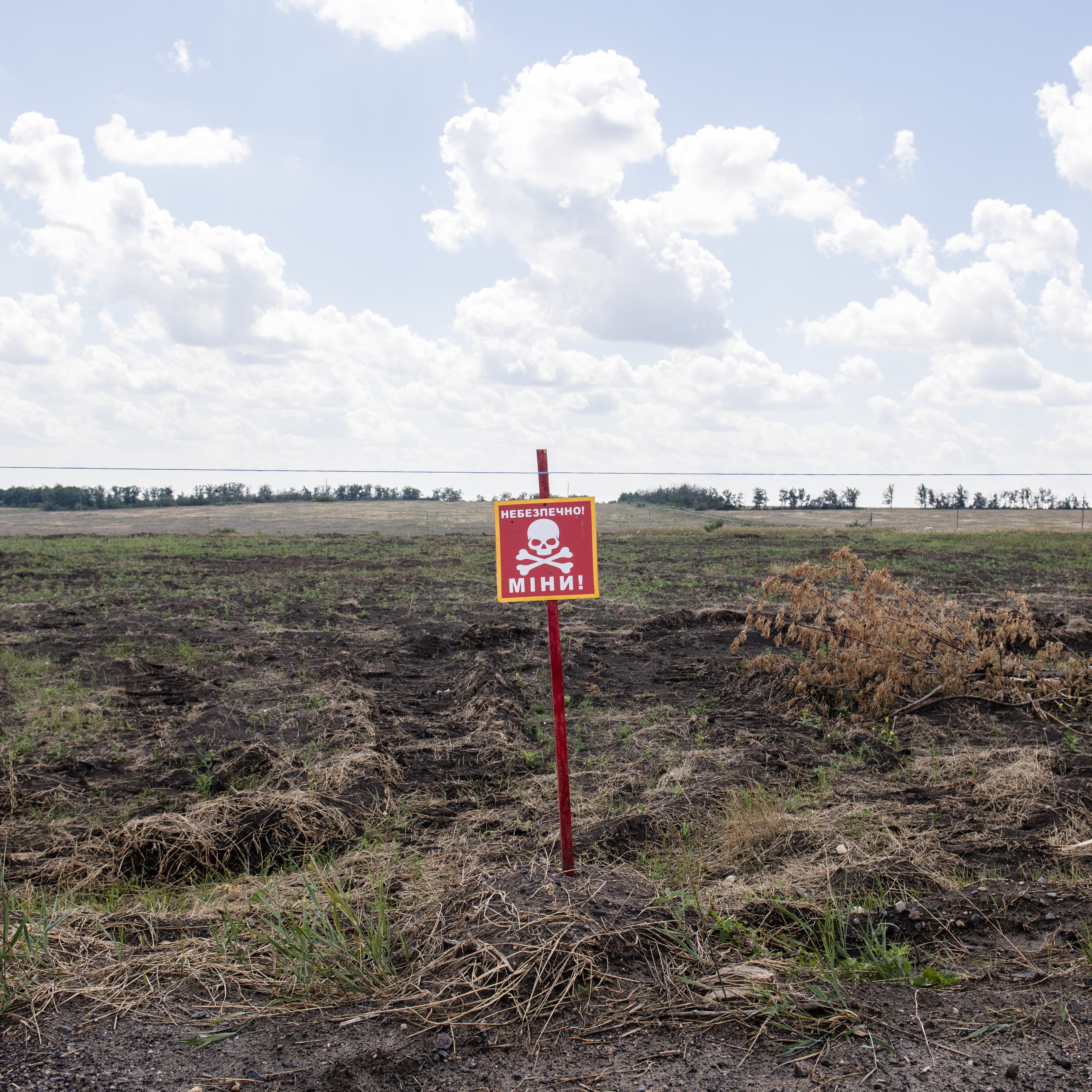
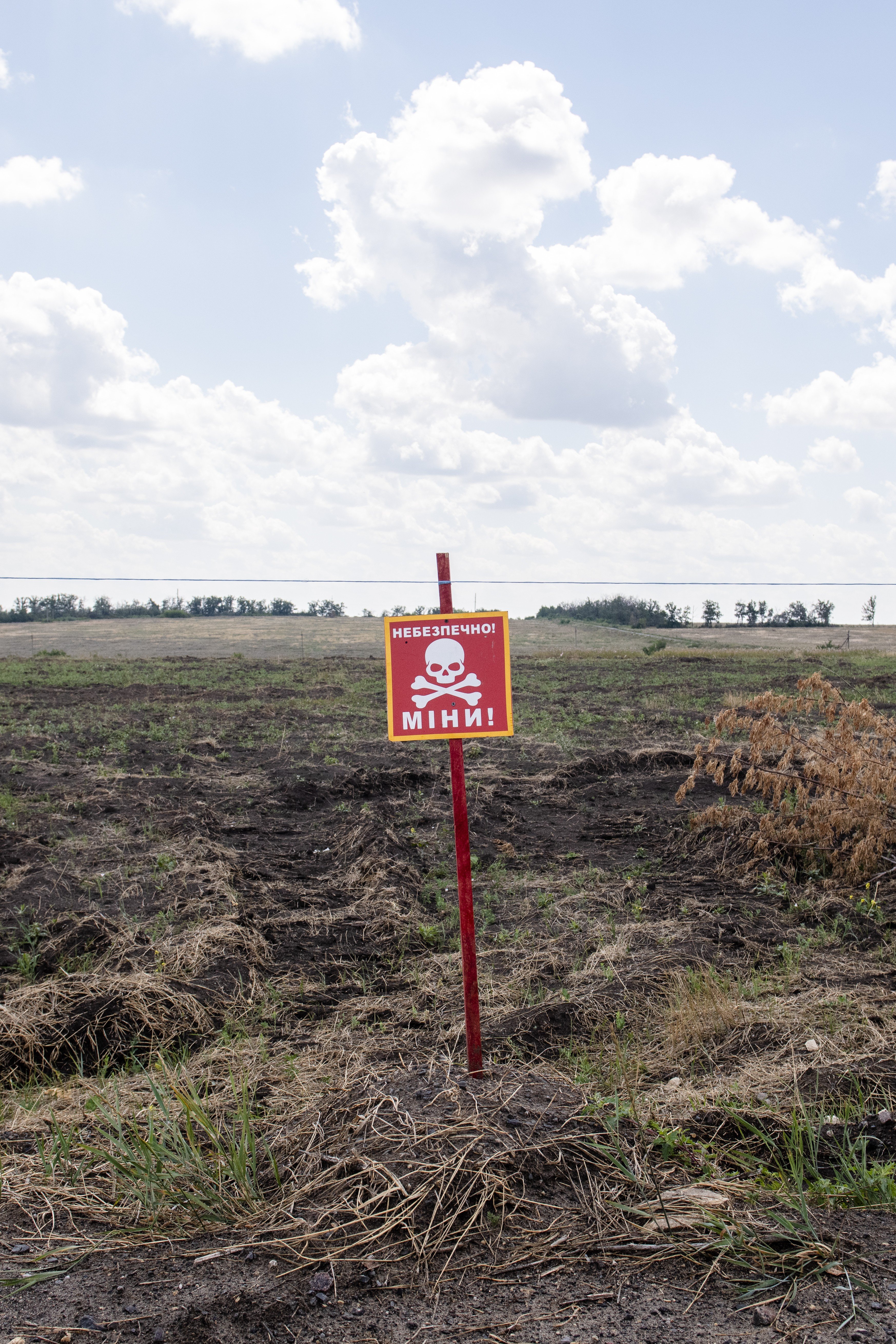
© C. Wright / ICBL-CMC / Handicap International
I endorse the call by Handicap International and the International Campaign to Ban Landmines (ICBL) and I am writing to you as a citizen who is deeply concerned about the threat of renewed use of antipersonnel landmines. These weapons kill indiscriminately and remain active long after the end of conflicts — often harming children, small farmers and defenceless civilians, who constitute 9 victims out of 10.
The Ottawa Treaty, which our country was proud to sign, enshrines a vital legal, moral and humanitarian undertaking. To revoke the ban that it imposes would be an unacceptable reverse for the protection of civilians and for international humanitarian law.
I solemnly ask you to publicly reaffirm your support for the Ottawa Treaty and to oppose any measure that would permit the reintroduction of these weapons by calling the political agenda into question.
I look forward to your reply.
Yours sincerely,
* The above data is collected for the purpose of processing your participation in the advocacy campaign organised by Handicap International Luxembourg asbl with the aim of protecting civilians in conflict zones and to keep you informed of the follow-up to this campaign if you wish to receive our newsletters. The data will not be shared with third parties, with the exception of our communication agency. The data will not be transferred outside the European Union. Exceptionally, it may be transferred to an appropriate country or under the terms of the Data Privacy Framework or further to standard contract clauses.
The data will be kept for one year after the campaign is over. For further information about the methods of processing and your rights, please read the data protection notice here.
For its 27th edition, the Pyramid of Solidarity is returning to the Place d'Armes for two days of raising awareness of the devastating impact of the use of weapons on civilian populations.
By means of an immersive experience, we invite you to discover the story of a family whose lives were blighted by war and antipersonnel landmines. During your visit, find out what Handicap International does to protect civilian populations and assist the injured in their rehabilitation.
Join us in Place d’Armes on 10 October between 10am and 5pm and bring along your shoes to contribute building the pyramid!

To find out more